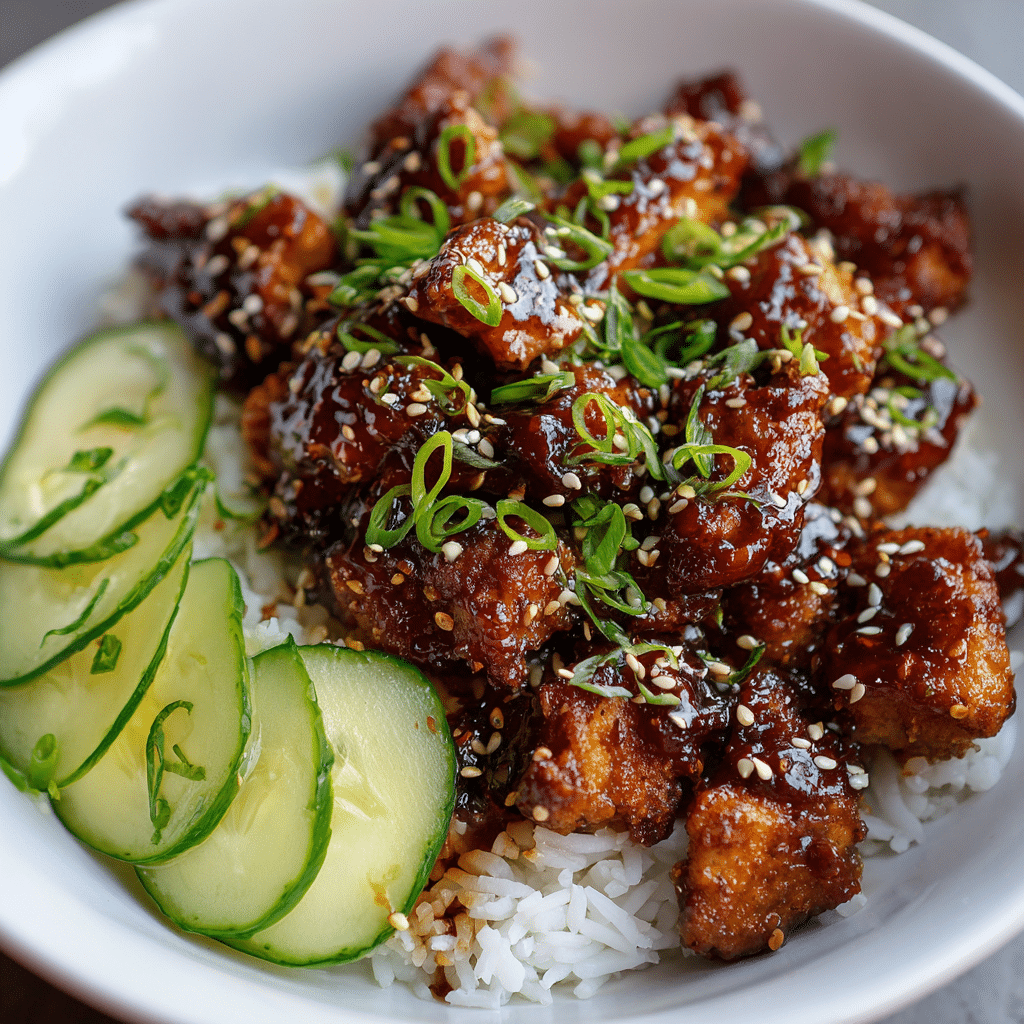
Sticky Honey Gochujang Chicken combines the perfect balance of sweetness, spiciness, and savory richness. The dish uses gochujang, a Korean fermented chili paste, to bring a deep, spicy umami flavor that pairs beautifully with the natural sweetness of honey. When these ingredients are combined with crispy chicken, the result is a sticky, irresistible glaze that’s perfect for dipping or drizzling.
This dish is simple yet incredibly flavorful, making it a great choice for a weeknight dinner, a gathering, or even as an appetizer. The sticky sauce clings to each piece of chicken, providing an amazing burst of flavor in every bite.
Ingredients Overview
Each ingredient in this dish adds its own unique flavor and texture:
Chicken
For the best crispy results, use bone-in chicken thighs or boneless chicken breasts. Thighs will have more flavor, while breasts provide a leaner option.
Gochujang
Gochujang is a spicy, fermented Korean chili paste that brings both heat and umami. It has a complex flavor profile that combines savory, sweet, and spicy notes.
Honey
Honey adds the perfect amount of sweetness to balance the heat from the gochujang and the saltiness of the soy sauce.
Soy Sauce
Soy sauce provides a savory, salty foundation for the sauce and helps to tenderize the chicken.
Garlic & Ginger
Fresh garlic and ginger are essential for building depth in the sauce, contributing aromatic flavors that enhance the gochujang and honey.
Rice Vinegar
Rice vinegar adds a tangy acidity that helps to balance the richness of the honey and soy sauce.
Sesame Oil
Sesame oil adds a nutty, fragrant flavor that complements the other ingredients, giving the dish a savory finish.
Sesame Seeds & Scallions (For Garnish)
A sprinkle of sesame seeds and scallions provides a crunchy and fresh contrast to the sticky, sweet sauce.
Step-by-Step Instructions
Here’s how to make Sticky Honey Gochujang Chicken:
1. Prepare the Chicken
-
Bone-in Chicken Thighs: Pat the chicken thighs dry with a paper towel to remove excess moisture. This will help them crisp up when cooked. You can also use boneless skinless chicken breasts or chicken wings if preferred.
-
Season the chicken with salt and pepper.
2. Cook the Chicken
-
In a large skillet or frying pan, heat 2 tablespoons of vegetable oil over medium-high heat.
-
Add the chicken, skin-side down if using bone-in thighs, and cook for 6-8 minutes until the skin is golden and crispy. Flip the chicken over and cook for another 6-8 minutes, until cooked through and the internal temperature reaches 165°F (74°C).
-
Remove the chicken from the skillet and set it aside to rest while you prepare the sauce.
3. Make the Sauce
-
In the same skillet, reduce the heat to medium and add 2 tablespoons of sesame oil.
-
Add 3 cloves of garlic (minced) and 1 tablespoon of fresh grated ginger. Sauté for 1 minute until fragrant.
-
Stir in 2 tablespoons of gochujang, 3 tablespoons of honey, 2 tablespoons of soy sauce, and 1 tablespoon of rice vinegar.
-
Cook the sauce, stirring occasionally, for 2-3 minutes until the sauce thickens and becomes glossy. Taste the sauce and adjust for sweetness, adding more honey if you prefer a sweeter glaze.
4. Coat the Chicken
-
Return the cooked chicken to the skillet, and toss it in the sticky sauce, coating each piece evenly. Let the chicken simmer in the sauce for 2-3 minutes so the flavors meld together and the sauce becomes even stickier.
5. Garnish and Serve
-
Once the chicken is well-coated in the sticky sauce, remove it from the heat.
-
Sprinkle sesame seeds and chopped scallions on top for garnish.
-
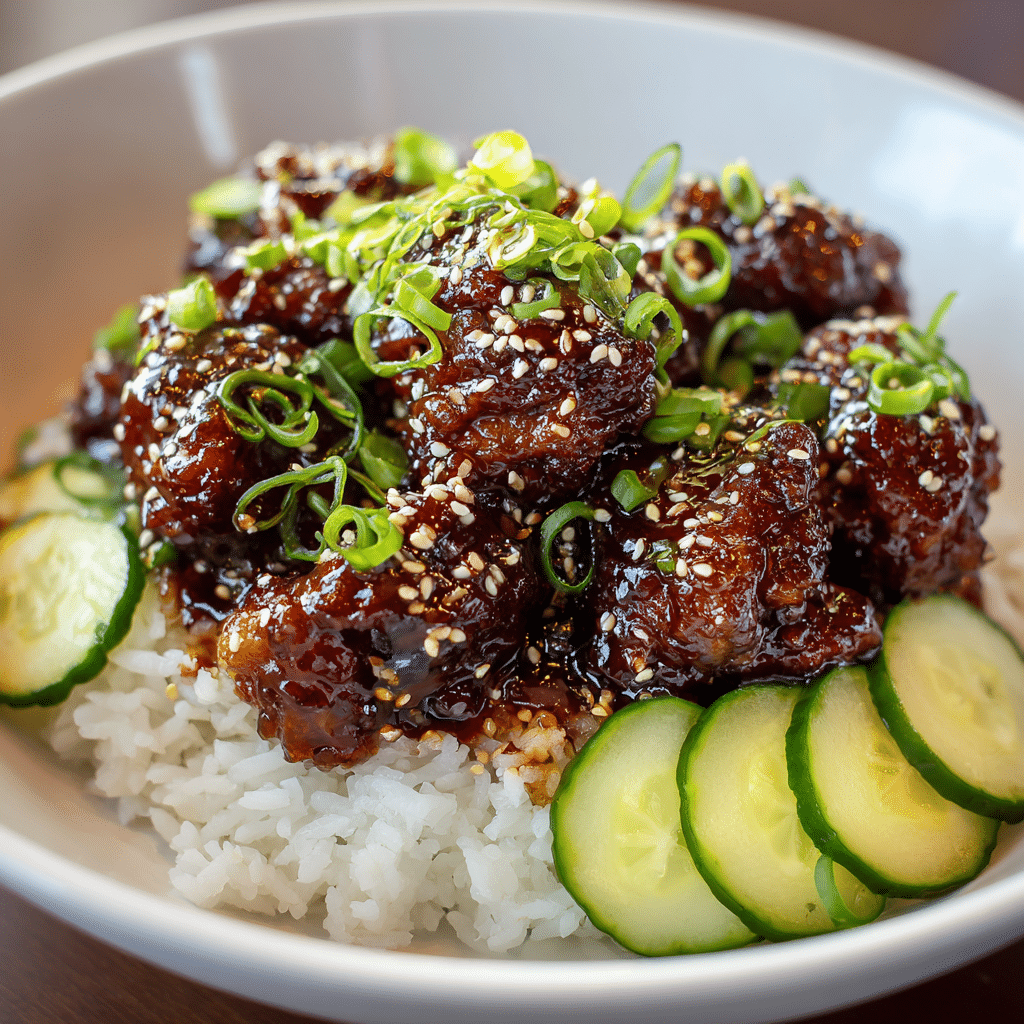
Serve immediately with steamed rice, noodles, or a side of vegetables for a complete meal.
Tips, Variations, and Substitutions
Tips
-
Use Bone-In Chicken Thighs: Bone-in thighs tend to be juicier and more flavorful than boneless breasts, but you can use either depending on your preference.
-
Control the Heat: If you prefer a milder dish, use less gochujang or dilute it with a bit more honey and soy sauce.
-
Crispier Chicken: For extra crispy chicken, you can bread the chicken before frying, or cook it in the oven at 400°F (200°C) for about 30 minutes, flipping halfway through.
Variations
-
Vegetarian Version: You can make this dish vegetarian by using tofu or tempeh instead of chicken. Fry the tofu until crispy and toss it in the sauce.
-
Add Vegetables: For a complete meal, add sautéed broccoli, snow peas, or carrots to the dish, tossing them in the sauce along with the chicken.
-
Spicy-Sweet Sauce: To make the sauce extra spicy, add a tablespoon of sriracha or red chili flakes for additional heat.
Substitutions
-
Gochujang: If you can’t find gochujang, you can substitute with chili paste or sambal oelek, though the flavor will be slightly different.
-
Honey: You can use maple syrup, agave nectar, or brown sugar if you prefer a different sweetener.
-
Sesame Oil: If you don’t have sesame oil, you can substitute with olive oil, though it won’t have the same nutty flavor.
Serving Ideas & Occasions
Sticky Honey Gochujang Chicken is perfect for:
-
Dinner: Serve with steamed rice, fried rice, or noodles for a satisfying meal.
-
Appetizer: Serve small pieces of chicken as appetizers with a side of dipping sauce for parties or gatherings.
-
Meal Prep: This dish stores well in the fridge for 3-4 days, making it great for meal prep. Just reheat in the microwave or on the stovetop.
Nutritional & Health Notes
-
Chicken: High in protein and B vitamins, particularly niacin and B6, which help maintain healthy metabolism and support muscle function.
-
Gochujang: This fermented chili paste is packed with antioxidants and capsaicin, which may help boost metabolism.
-
Honey: Provides natural sweetness and is rich in antioxidants, though it’s high in sugar, so use in moderation.
-
Sesame Oil: Contains healthy fats and antioxidants, beneficial for heart health.
Frequently Asked Questions
1. Can I make this dish ahead of time?
Yes, you can cook the chicken and sauce ahead of time and store them in an airtight container in the fridge for up to 4 days. Reheat on the stovetop before serving.
2. Can I freeze Sticky Honey Gochujang Chicken?
Yes! This dish freezes well. Allow the chicken to cool completely, then store in an airtight container for up to 3 months. Reheat on the stovetop or in the oven.
3. Can I make this dish spicier?
Yes! Add more gochujang, sriracha, or chili flakes to increase the heat. You can also adjust the spice level by adding more honey if you prefer a sweeter glaze.
4. What can I serve with Sticky Honey Gochujang Chicken?
This dish is perfect with steamed rice, fried rice, or noodles. You can also serve it with stir-fried vegetables or a simple green salad for a balanced meal.