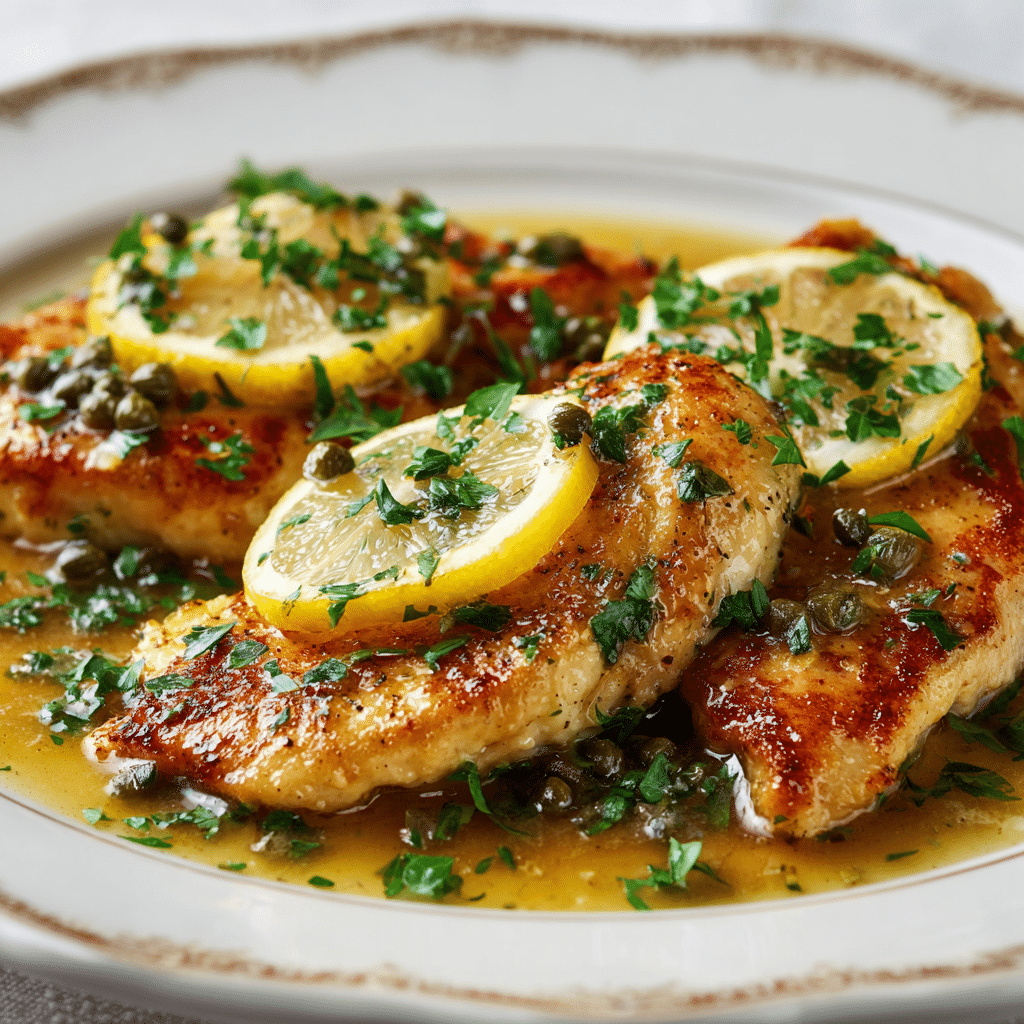
If you’re craving something elegant, bright, and comforting, Chicken Francese (also known as Chicken Française) is a timeless Italian-American dish that delivers on every level. With tender pan-fried chicken cutlets coated in a light egg batter and finished in a vibrant lemon butter white wine sauce, this dish is simple enough for a weeknight and impressive enough for guests.
Its golden crust, silky sauce, and zesty flavor make it a restaurant-worthy classic you can easily master at home.
Ingredients Overview
Each ingredient in Chicken Francese is intentional—designed to balance richness, brightness, and crispness.
Chicken Breasts
Boneless, skinless chicken breasts are pounded thin for quick, even cooking. You can also use chicken cutlets or slice the breasts in half horizontally.
-
Lean protein base
-
Absorbs flavor beautifully
-
Tender when pan-fried properly
All-Purpose Flour
Used twice: first to lightly dredge the chicken before it goes into the egg wash, and second to help thicken the lemony sauce slightly as it simmers.
Eggs
A unique feature of Chicken Francese: chicken is dipped in flour, then in beaten eggs—reverse of the traditional breading method. This creates a delicate, golden coating that crisps up beautifully in the pan.
Olive Oil + Butter
Used together to pan-fry the chicken—oil raises the smoke point, while butter adds richness and that signature golden crust.
Garlic (Optional)
Not traditional, but a small amount of minced garlic can be sautéed before the sauce for added depth.
White Wine
Dry white wine deglazes the pan and creates the flavor base for the sauce. Choose:
-
Sauvignon Blanc
-
Pinot Grigio
-
Dry Vermouth
Alcohol cooks off, leaving behind a balanced acidity.
Chicken Broth
Rounds out the sauce and adds savory depth. Use low-sodium broth so you can control the salt.
Lemon Juice + Lemon Slices
Fresh lemon juice brightens the sauce with acidity. Thinly sliced lemons add visual appeal and slight bitterness that contrasts beautifully with the rich sauce.
Parsley
Chopped fresh parsley adds color and a fresh finish.
Step-by-Step Instructions
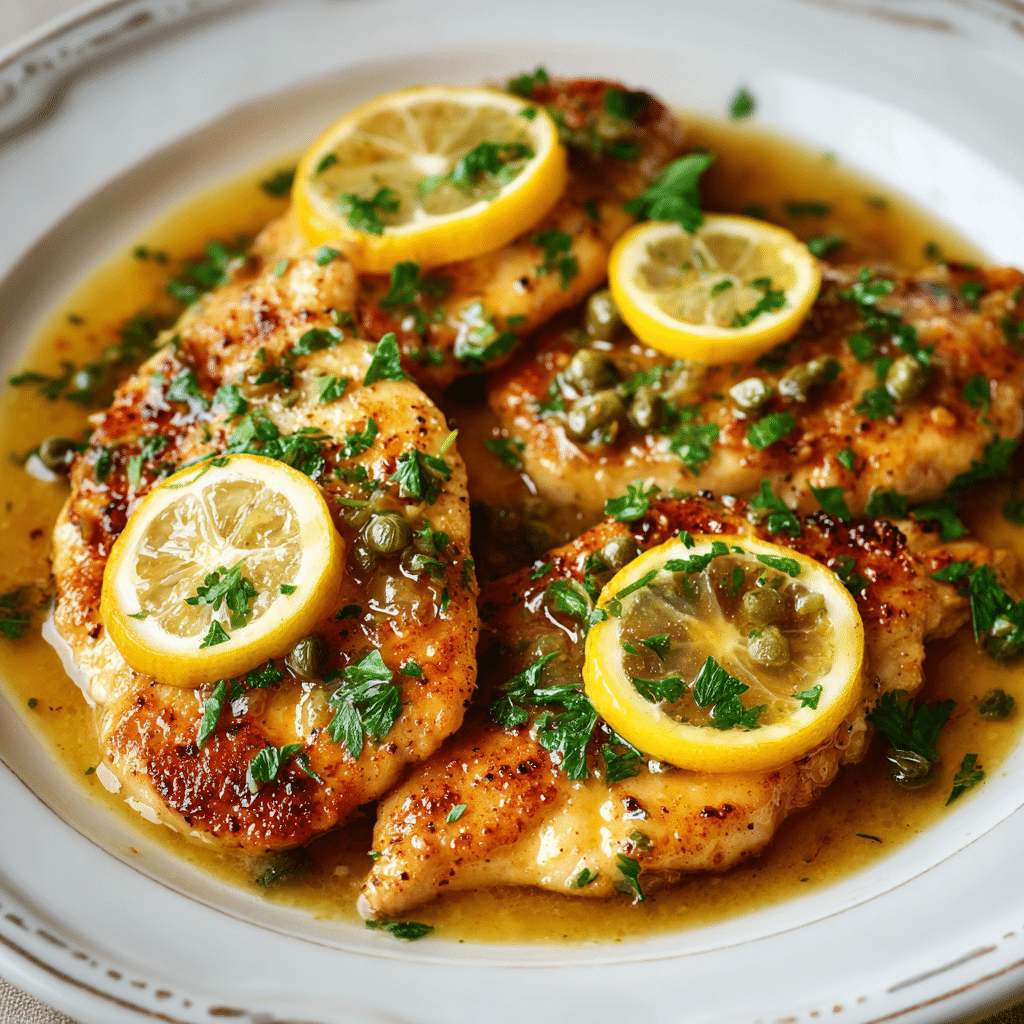
This dish cooks quickly once the chicken is prepped. Here’s the breakdown:
1. Prepare the Chicken
-
Pound two large boneless, skinless chicken breasts to 1/2-inch thickness (or slice in half horizontally).
-
Season both sides with salt and pepper.
2. Set Up a Dredging Station
-
Bowl 1: 1/2 cup all-purpose flour, seasoned with salt and pepper.
-
Bowl 2: 2 eggs, beaten with 1 tablespoon water.
3. Dredge the Chicken
-
Lightly coat each piece of chicken in the flour, shaking off excess.
-
Dip into the egg mixture, coating completely.
4. Pan-Fry the Chicken
-
Heat 2 tablespoons olive oil + 2 tablespoons butter in a large skillet over medium heat.
-
Cook chicken for 3–4 minutes per side, until golden brown and cooked through.
-
Transfer to a plate and tent with foil.
5. Make the Sauce
In the same pan:
-
Optional: Add 1 clove minced garlic and sauté briefly.
-
Add 1/2 cup dry white wine. Simmer for 1–2 minutes, scraping the pan.
-
Add 1 cup chicken broth and 1/4 cup fresh lemon juice.
-
Simmer 3–4 minutes to reduce slightly.
6. Finish the Sauce
-
Stir in 2 tablespoons butter.
-
Add 1 tablespoon flour (optional) whisked with a bit of cold broth or water to slightly thicken the sauce.
-
Add lemon slices and return chicken to pan.
-
Simmer for 2–3 minutes to warm through.
7. Garnish and Serve
-
Sprinkle with fresh parsley.
-
Spoon sauce over chicken just before serving.
Tips, Variations, and Substitutions
Expert Tips
-
Don’t overcook the chicken—just golden and cooked through is perfect.
-
Use fresh lemon juice for the best flavor. Bottled won’t give the same bright result.
-
Deglaze properly—scraping up browned bits from the pan deepens the sauce flavor.
-
Rest the chicken for 5 minutes before serving to retain juices.
Flavor Variations
-
Garlic-Lemon Twist: Add more garlic and sauté longer for deeper flavor.
-
Capers: Toss in a tablespoon for briny contrast.
-
Lemony Cream Sauce: Stir in a splash of heavy cream for a silkier sauce.
Substitutions
-
No wine? Use extra chicken broth with a splash of white wine vinegar or lemon juice.
-
Gluten-free: Use GF flour blend for dredging and sauce.
-
Dairy-free: Use oil only or vegan butter alternatives.
Serving Ideas & Occasions
Serve Chicken Francese With:
-
Buttery mashed potatoes or garlic mashed cauliflower
-
Angel hair pasta or orzo
-
Steamed green beans, broccolini, or asparagus
-
Crusty bread to soak up the sauce
Ideal For:
-
Date night at home
-
Holiday dinners (especially Easter or Mother’s Day)
-
Weeknight meals with flair
-
Dinner parties—easy to double and keeps well
You can also slice the chicken and serve over salad or in a warm sandwich with arugula and lemon aioli.
Nutritional & Health Notes
While rich in flavor, Chicken Francese can be part of a balanced meal:
-
Lean Protein: Chicken breast is high in protein and low in fat.
-
Lighter Sauce: Uses broth and lemon juice instead of heavy cream.
-
Moderate Carbs: Choose your sides wisely to control carbs.
-
Customizable Fats: Use less butter for a lighter version.
To make it even healthier:
-
Use olive oil only
-
Serve with roasted vegetables instead of starch
-
Skip the optional flour thickener
FAQ
1. What’s the difference between Chicken Piccata and Chicken Francese?
Piccata is dredged in flour only and includes capers in the lemon butter sauce. Francese uses an egg coating and has a slightly thicker, more mellow sauce without capers.
2. Can I make Chicken Francese ahead of time?
Yes! You can pan-fry the chicken and refrigerate. Reheat in the lemon sauce just before serving.
3. Can I use chicken thighs?
Yes—boneless thighs work, though they’ll take slightly longer to cook and won’t be as visually “neat.” Flavor will be richer.
4. How do I prevent the egg coating from sticking to the pan?
Use a nonstick or well-seasoned pan, and make sure your oil/butter mixture is hot before adding the chicken.
5. Is the wine necessary?
It adds depth but isn’t essential. Sub with more broth + 1 tsp white vinegar or lemon juice.
6. Can I freeze leftovers?
Chicken can be frozen, but the texture of the egg coating and sauce may change. Best enjoyed fresh or within 2 days in the fridge.
7. Why is my sauce too sour or too thin?
Taste and adjust! Add more butter for richness, or a pinch of sugar to balance tart lemon. Simmer longer to reduce a thin sauce.